Towards Sensory Ecology
Over the past decade, we have been fortunate to design and deliver sensory experiences in a wide range of outdoor
heritage spaces, from the grounds of the National Maritime Museum in Greenwich and the gardens of Shakespeare's New Place to five years of sensory work and play with Kew Gardens.
Through this work, we have come to understand that people, heritage, and landscape are inseparable. Our histories are rooted in the natural world. Yet for many people with learning disabilities, and especially those with Profound and Multiple Learning Disabilities (PMLD), meaningful access to nature remains limited by physical, sensory, social, and attitudinal barriers.
Sensory Ecology is our response.
It brings together everything we have learned about sensory engagement, communication, regulation, creativity, and
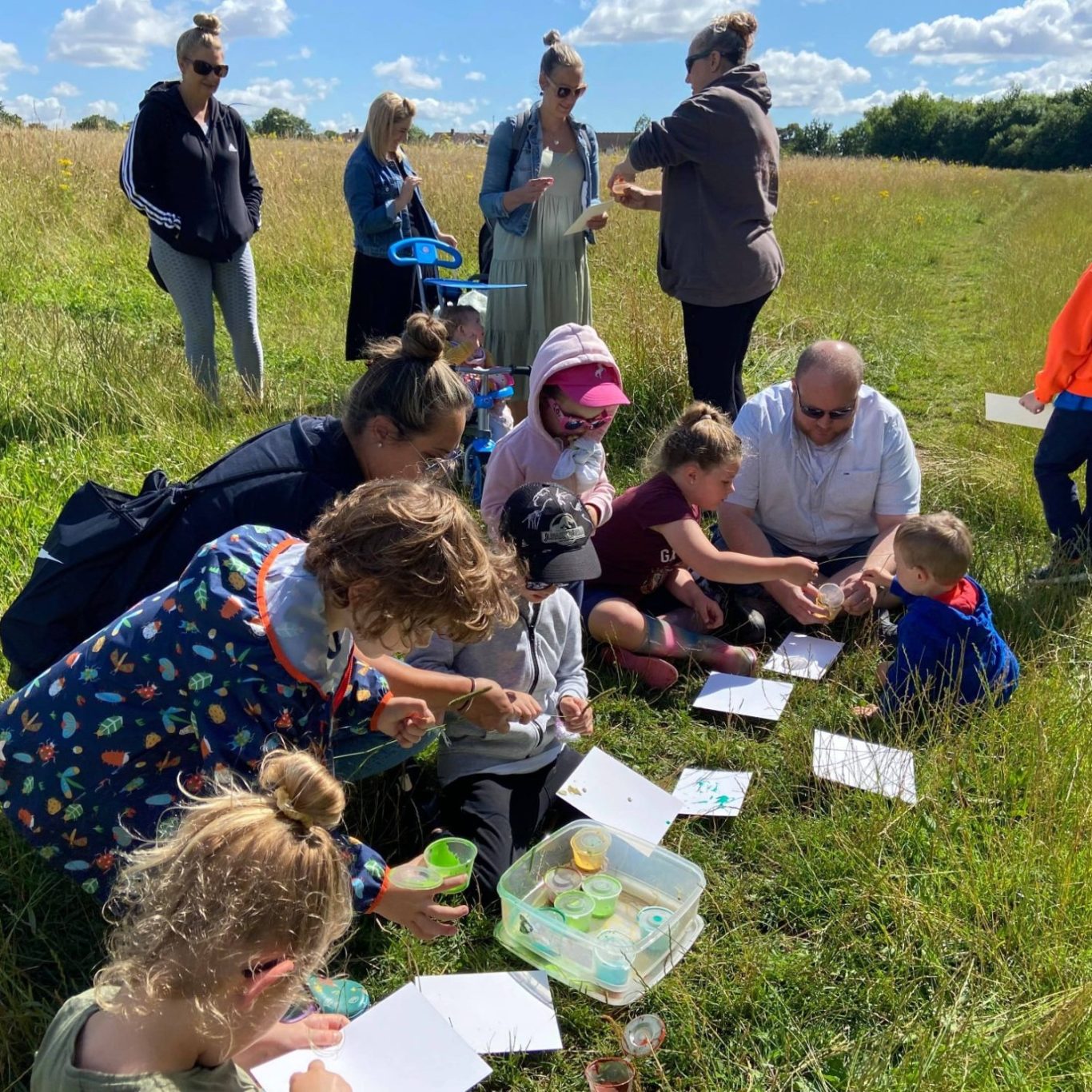
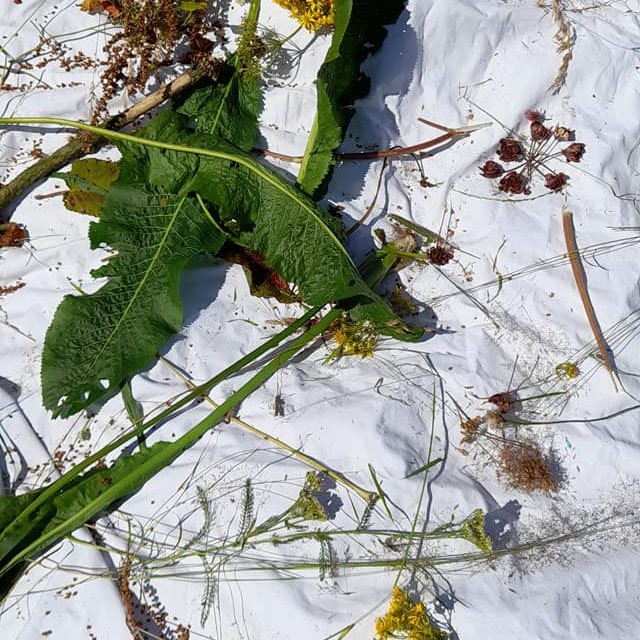
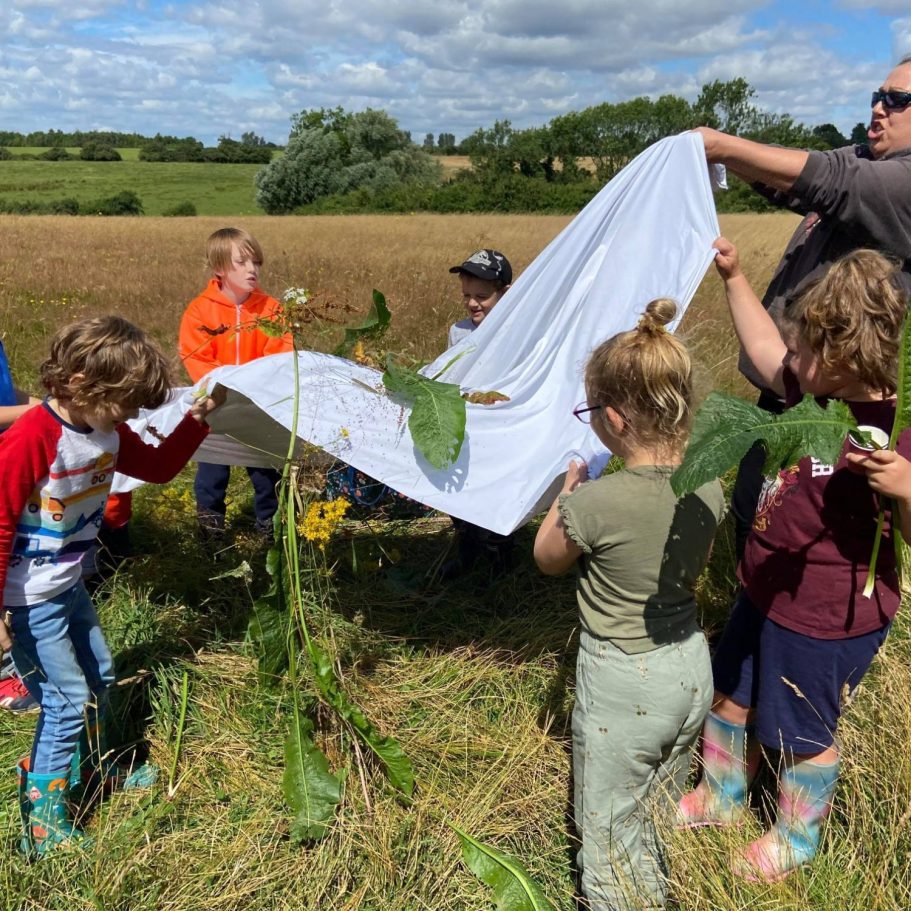
belonging to create accessible pathways into nature, conservation, landscape, and heritage. Through touch, movement, sound, smell, taste, and shared experience, we support people to explore the outdoors in ways that feel safe, welcoming, and meaningful.
At its heart, Sensory Ecology recognises that connection with nature is not simply about being outside. It is about feeling part of a place. By nurturing curiosity, wellbeing, wonder, and relationship, we create opportunities for people to
experience the richness of the natural world on their own terms.
Forest Therapy
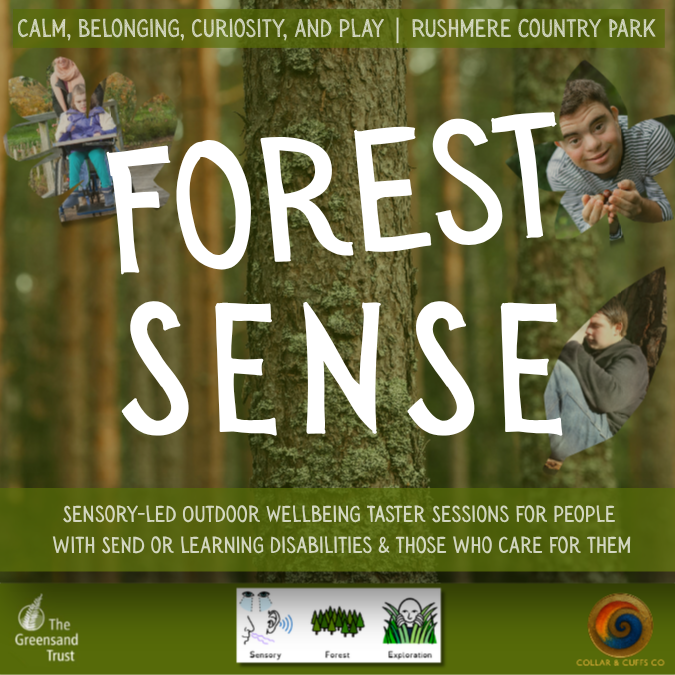
Julia is a qualified CMA Accredited Forest Therapist through Lightbox.
In partnership with Bedfordshire's Greensand Trust, she piloted
Forest Therapy
programmes for people with PMLD, children and young people unable to attend school, and adults with learning disabilities, across the summer of 2026.
This work iss helping to shape Sensory Ecology as an accessible, inclusive
approach to nature connection.
Sensory Archeology
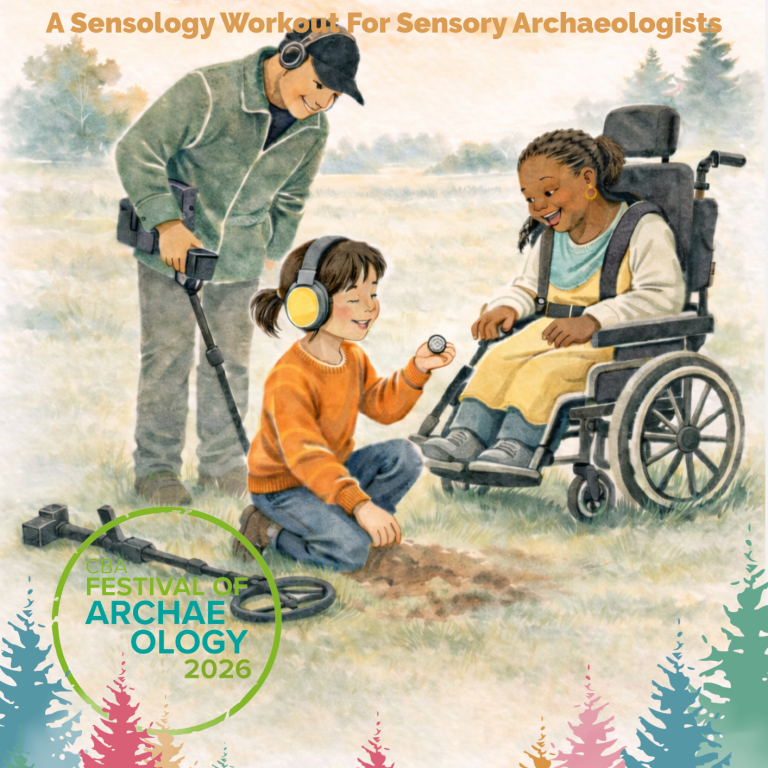
Sensory Archaeology
explores how people
encounter landscape,
history, and heritage through the senses.
Drawing on approaches from archaeology, sensory heritage, and ecology, it asks how places are experienced through touch, sound, movement, smell, and
relationship, rather than through information alone.
Bats, Darkness, and night skies
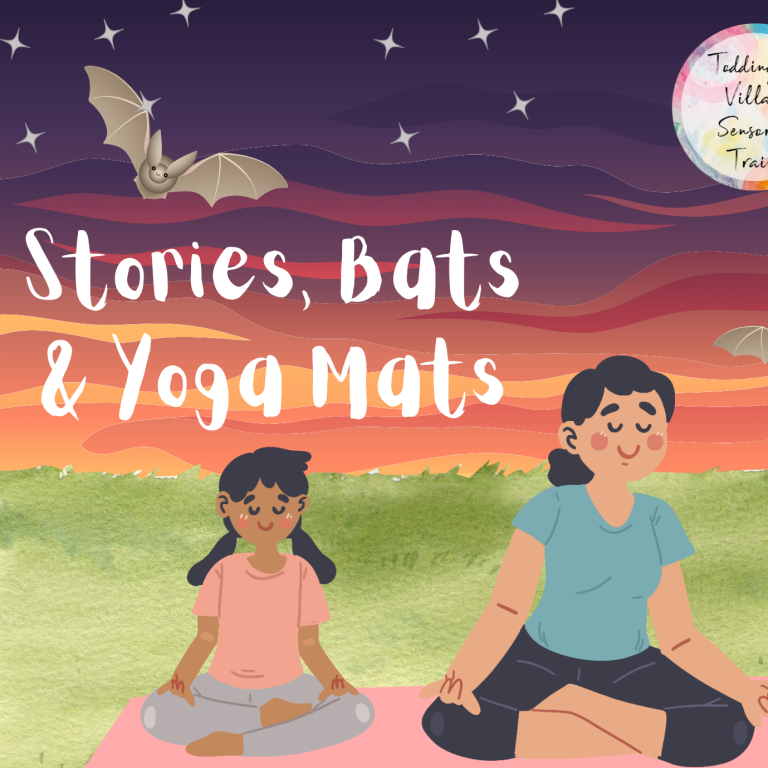
In May 2026, we became Bat Ambassadors with Bat Conservation International.
Bats are extraordinary
sensory specialists whose lives reveal the complexity and interconnectedness of ecosystems. Through events, activities, and creative
engagement, we use bats as a gateway into
conversations about sensory perception, biodiversity, and conservation.
Alongside this, we are
interested in how twilight, darkness, and night skies can help people experience nature differently. From listening for bats overhead to watching constellations emerge, these moments
invite us to slow down,
attend to our senses, and develop a deeper
connection with the living world beyond the limits of daylight.
People with PMLD in Nature
We are licensed Twinkleboost Explorers Leaders and Approved Practitioners, trained in The Therapeutic Forest's
approach to supporting people with Profound and Multiple Learning Disabilities (PMLD) to engage with and enjoy the natural world.
Twinkleboost uses sensory exploration, communication, movement, and relationship-building to create
meaningful outdoor
experiences for people with the most complex support needs.